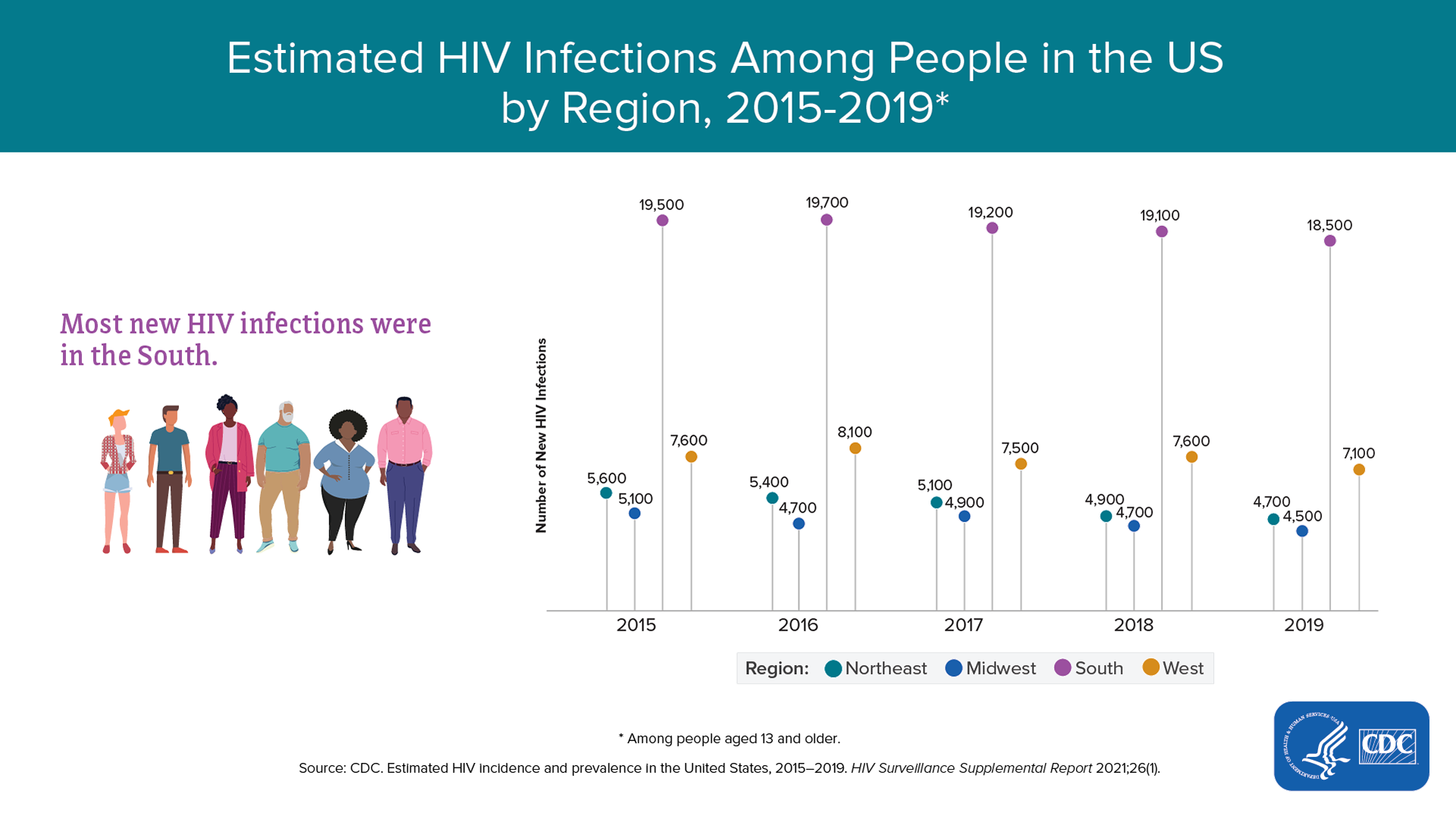
HUMAN IMMUNODEFICIENCY VIRUS (HIV)
What is HIV?
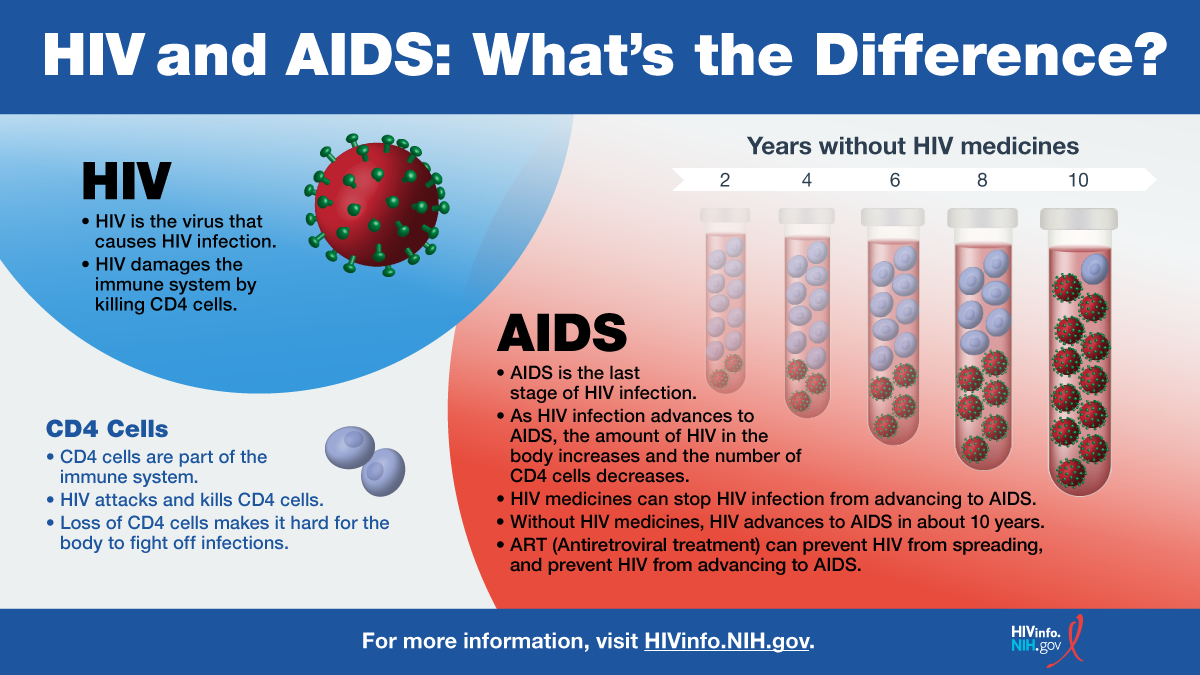
HIV (Human Immunodeficiency Virus) is a virus that attacks the body’s immune system, specifically the cells that help the body fight off infections. HIV has no cure, but it can be managed with medication called antiretroviral therapy (ART). With proper treatment, people with HIV can live long, healthy lives and reduce the risk of passing the virus to others.
What is AIDS and how is it different?
AIDS (Acquired Immunodeficiency Syndrome) is the most advanced stage of HIV infection. It happens when HIV has severely weakened the immune system, making it hard for the body to fight off infections and certain cancers. Not everyone with HIV will develop AIDS, especially if they are on treatment.
HIV Symptoms
HIV doesn’t always cause symptoms, especially in the early stages. Many people don’t know they have it. When symptoms do appear, they can vary and may show up weeks to years after infection. Early symptoms may resemble the flu and include:
Fever
Fatigue
Swollen lymph nodes
Sore throat
Rash
Prevention Options
There are several ways to reduce your risk of getting or transmitting HIV. Some effective prevention options include:
Use condoms correctly every time you have vaginal, anal, or oral sex
Take PrEP if you are at higher risk (visit our PrEP page to learn more about PrEP)
Get tested regularly and know your partner’s HIV status
Avoid sharing needles or other drug use equipment
U=U (Undetectable = Untransmittable)
When someone living with HIV takes ART consistently and maintains an undetectable viral load, they cannot transmit HIV to sexual partners. This is known as U=U. Being undetectable is a powerful way to protect yourself and others while living a healthy life with HIV.
How Can I Get Tested for HIV?
If you are concerned about HIV or want reassurance about your status, please visit our testing services page. HIV tests are quick and confidential. Early detection is important for your health and for preventing transmission.
For more information about HIV, visit the CDC HIV webpage.
Support for Those Who Have Tested HIV Positive is Available.
What happens after I receive a positive diagnosis?
Learn more about HIV Case Management in Missouri
Learn more about North Central Missouri Prevention, Disease Intervention, and Case Management